USFWS PROPOSES RULE TO STOP PREDATOR KILLING ON WILDLIFE REFUGES
Public Comment Opportunity for Predators in Wyoming and Wildlife Refuges Coast to Coast
Comment Deadline is Monday, March 4
The Oxford Languages Dictionary Definition of Refuge:
A condition of being safe or sheltered from pursuit, danger, or trouble
Because of the challenges of climate change and global loss of biodiversity, the U.S. Fish and Wildlife Service is taking steps to try and maintain – and in some situations – restore and enhance “biological integrity, diversity, and environmental health” (BIDEH) on all National Wildlife Refuges. One of their proposed rules is to prohibit the killing of predators on wildlife refuge lands. This would be a huge relief to millions of animals nationwide and would save lives.
As climate change and other anthropogenic factors are increasingly having an impact on natural systems, it will be more important than ever for the USFWS to protect fish and wildlife in the Refuge System. As a nation, we have chosen to protect fish and wildlife for current and future generations through laws like the Clean Water Act and the Endangered Species Act. The USFWS is promising protection of native species through this rulemaking. Let’s make sure we don’t deprioritize native species when they need it most.
READ MORE IN THIS BLOG FROM THE HUMANE SOCIETY OF THE U.S.
CLICK HERE TO SEND A COMMENT TO THE USFWS
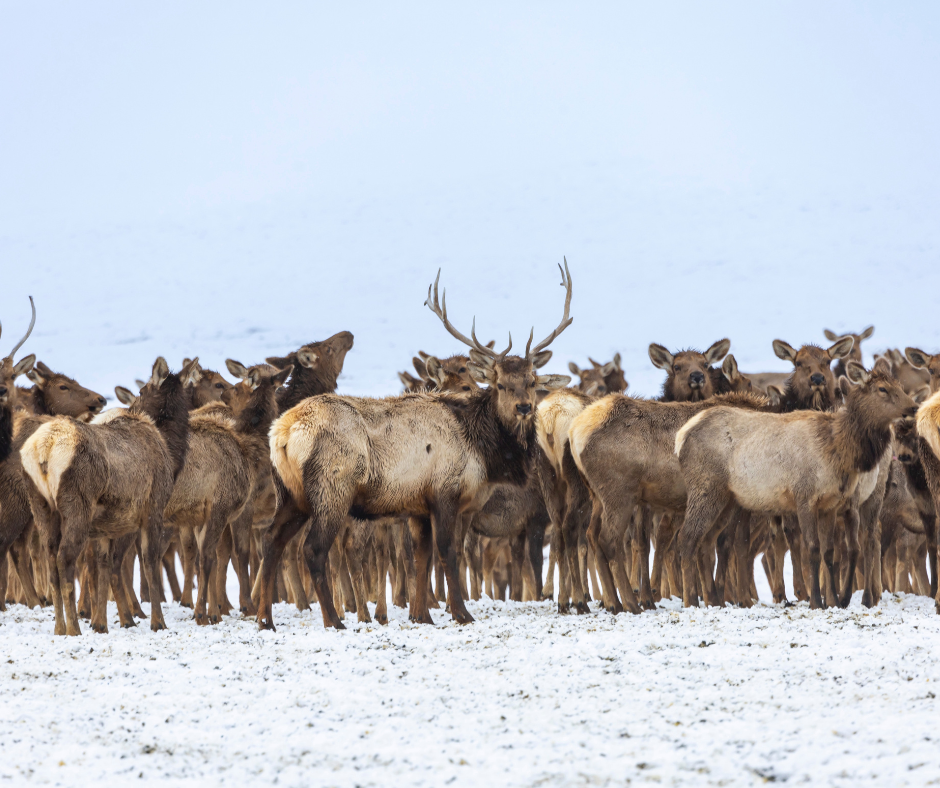
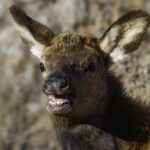
WILDLIFE ADVOCATES CALL FOR ECOLOGICAL RESPONSIBILITY AND MORAL INTEGRITY FOR ELK
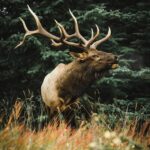
The Wyoming Game and Fish Department’s (WGFD) Final Wyoming Elk Feedgrounds Management Plan, published earlier this month, perpetuates the practice of artificially feeding elk—a method contradicted by scientific consensus highlighting its detrimental effects on elk populations. Despite recognizing the unsustainability of this approach, the plan inadequately addresses the necessity for change, admitting that ceasing feedgrounds would benefit elk but failing to propose a concrete strategy for doing so. As advocates who have spent years on this issue, we felt the need to advocate for the elk since the WGFD isn’t prioritizing their health. The first goal of the Plan is to “promote elk health by limiting disease transmission while providing supplemental feed.” A goal that cannot be met considering the potential for environmental contamination by CWD and the continued presence of hoof rot that can kill hundreds of elk on a feedground in a single winter.
The Department has set also up sideboards and confirms that “no strategies can be implemented to accomplish the Goals without adhering to the sideboards.” The sideboards are meant to “provide assurances to the public and affected stakeholders.” These sideboards are:
- Adhere to standard Department process for elk herd unit population objective review with public process and Commission approval for any proposed changes.
- Prioritize hunting opportunities as the primary tool to manage elk populations toward the Commission-approved herd unit objectives.
- Minimize elk damage to private property, disease transmission to livestock, and negative economic impacts to livestock producers.
- Minimize competition with other wintering wildlife species.
In the paragraph above the sideboards, the Department correctly states they have a “responsibility to mange for healthy and sustainable cervid populations over the long-term.” However, the sideboards directly contradict that responsibility. Feeding elk, prioritizing livestock, and meeting the goals of the plan are not compatible.
Additionally, the process in WGFD’s plan for involving the public is restrictive, raising concerns about the genuine integration of public opinions and conservation viewpoints into feedground management strategy. For instance, the plan states, “Goals can only be achieved at the rate at which affected stakeholders and public sentiment align.” On this topic, our executive director, Kristin Combs, states, “That speaks directly to the fact that they are not going to do anything without approval of a select group of individuals…and they still don’t really have a way of measuring public support or sentiment. This approach failed with the brucellosis management plans in the early 2000s and there’s no reason to think that this process will be any different.”
READ THE FULL PRESS RELEASE HERE
REGISTER FOR THE MARCH 12 WGF COMMISSION MEETING WHERE THE FINAL PLAN WILL BE DISCUSSED
READ THE FULL FINAL FEEDGROUND MANAGEMENT PLAN HERE
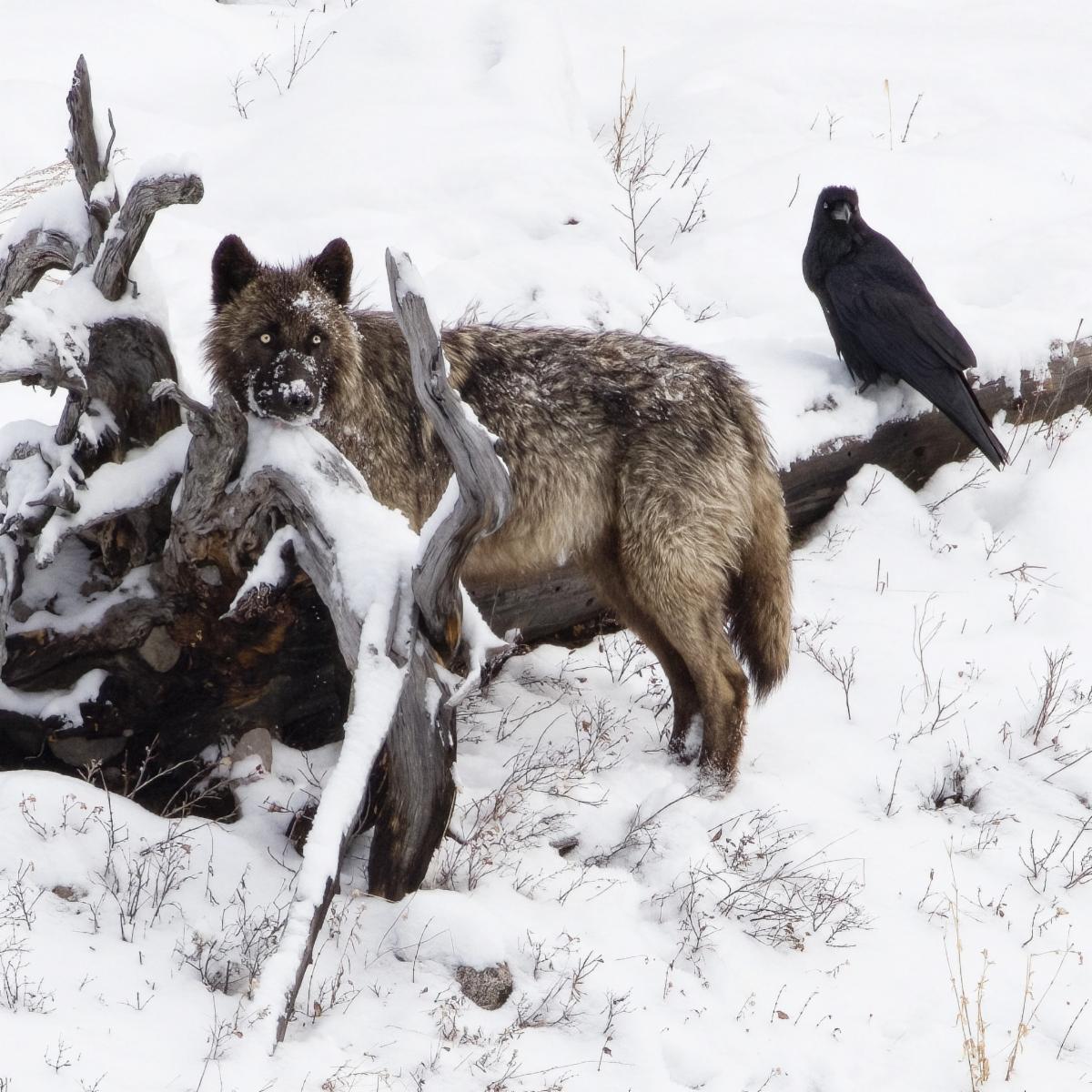
The mortality quota for wolves in hunting unit 313 in Montana was set at six wolves which was a hard-won victory sought by wildlife advocates. This was a lower quota than previously existed in the year where Yellowstone saw 20% of its wolf population killed by hunters and trappers outside the park. Unit 313 was closed when the quota was met but a poacher took it upon himself to kill an additional wolf just north of Wyoming near Gardiner, Montana. If you have any information about the death of this wolf, please call Montana Fish, Wildlife and Parks tip line at 1-800-TIP-MONT. Informants can remain anonymous.
Montana Fish, Wildlife & Parks is offering a $1,000 reward for information that leads to conviction of this poacher.
WE’VE BEEN NOMINATED FOR BEST OF JH!
We have been nominated as the best nonprofit of Jackson Hole. Please stop by Best of JH and vote for WWA! Thanks to whomever nominated us. We are in a great community with a lot of compassionate, dynamic, and active nonprofit organizations. We are honored to be amongst the nominees. Click below to vote or scan the QR code below on your phone. WWA is listed under the category of Mountain Character and Alpine Living.

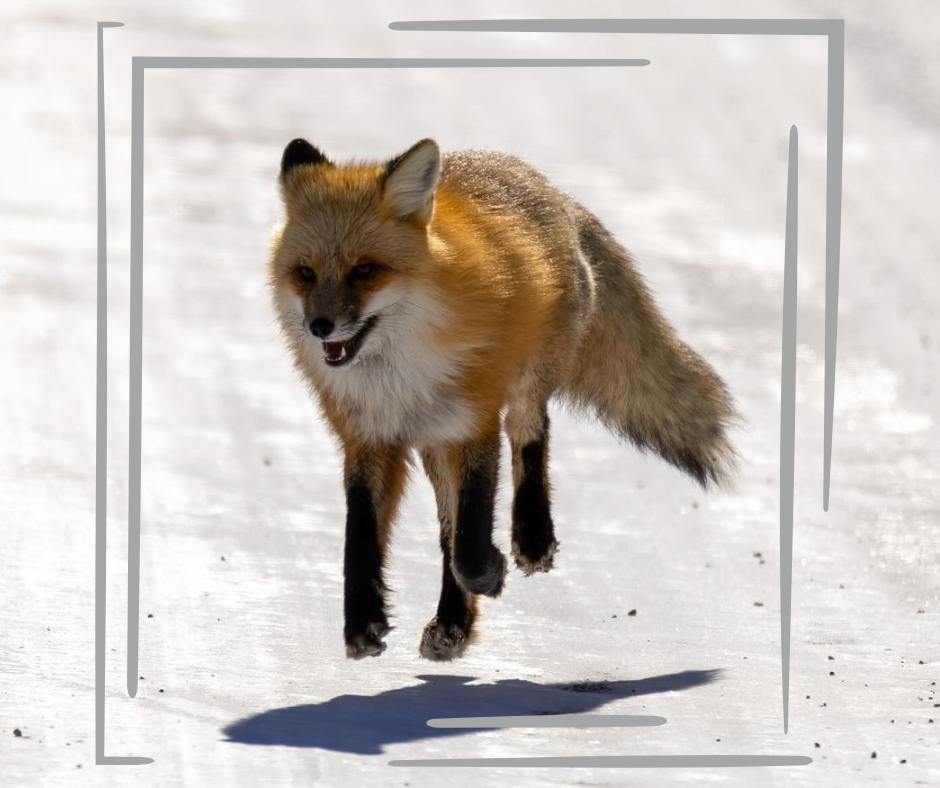
A donation to WWA and JH Bear Solutions will make you happier than this levitating fox! Give a gift today to be the voice of Wyoming’s wildlife. We have so much to do in 2024, but we can’t do any of our lifesaving work without you. The wild things deserve kindness, compassion, and to be appreciated. That’s why we are here.
MAKE A DONATION TO WYOMING’S WILDLIFE
Photo Credits:
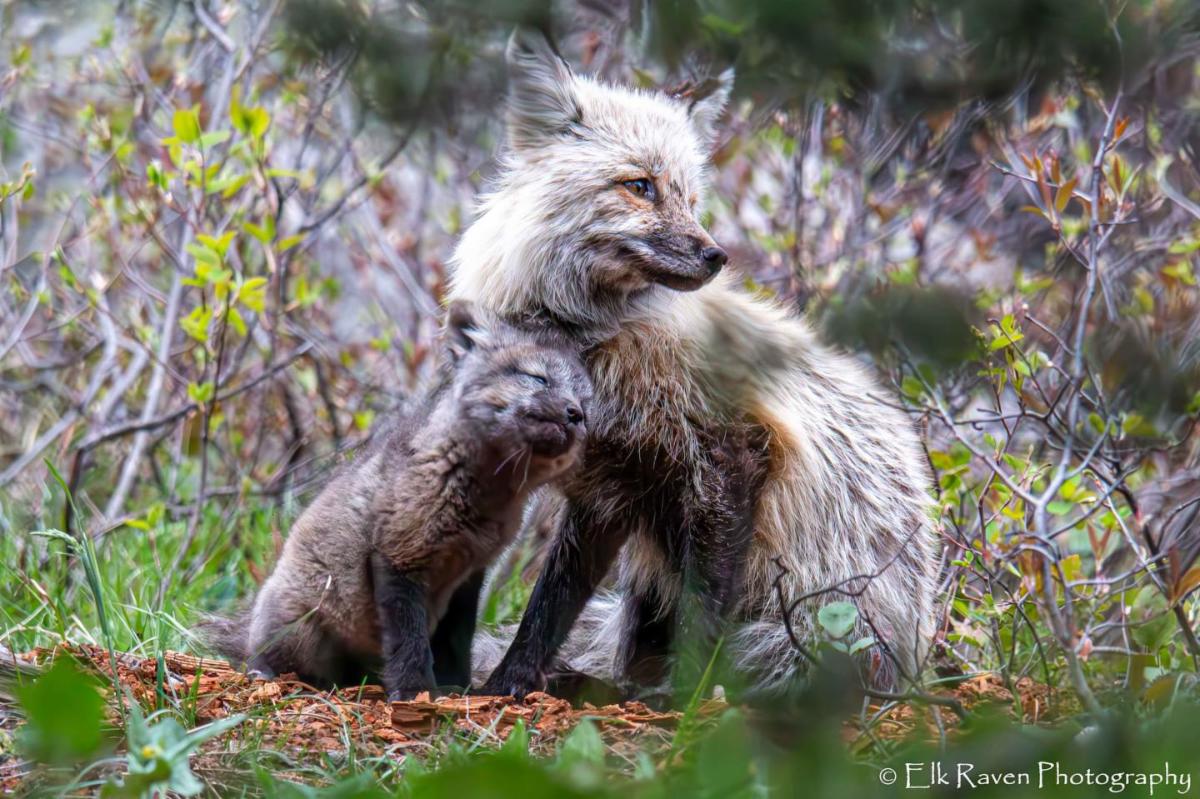
Fox with Kit: Chris Kassar ElkRaven Photography
Elk in Winter: Stock photo
Wolf: Devon Pradhuman
Levitating Fox: Opal Photography